Professional Workplace Cleaning
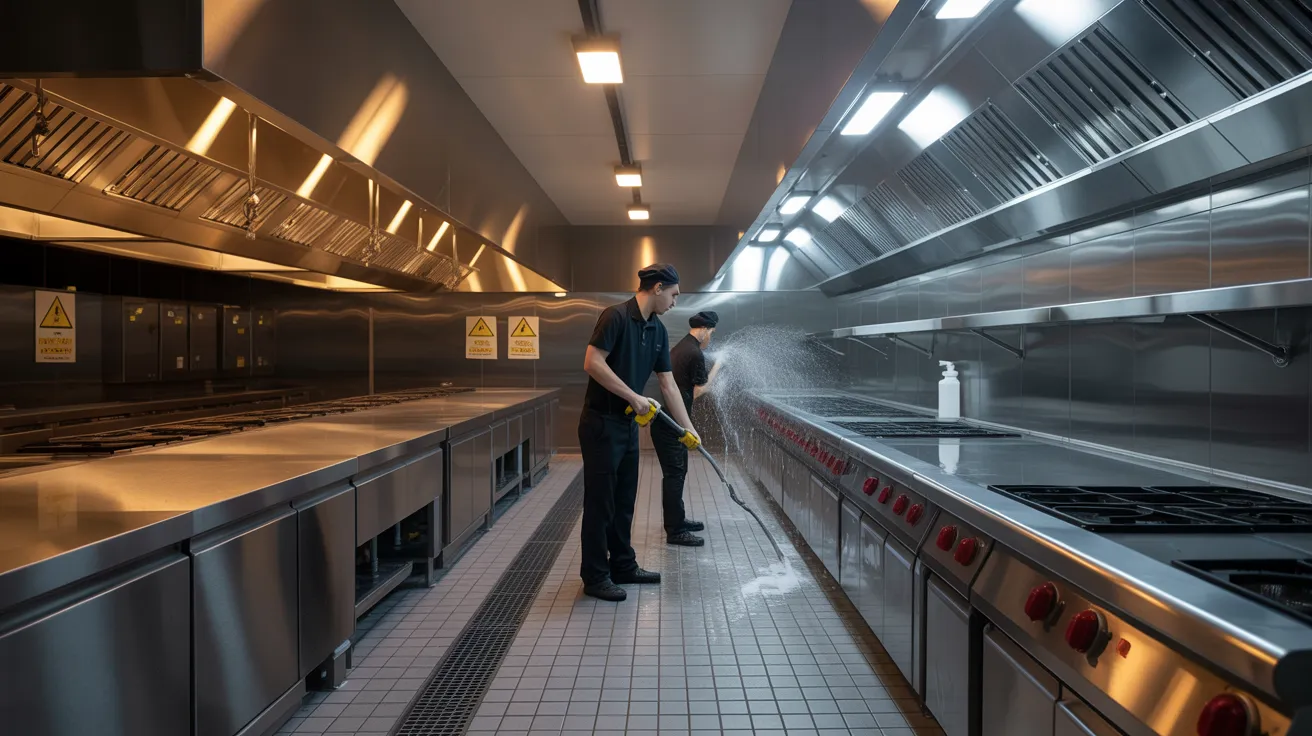
Food hygiene and commercial cleaning experts in Brampton support your business in maintaining dining venues, food supply centers, baking operations, warehouses, and mobile food operations in compliance. They disinfect frequently touched areas, food-contact surfaces, equipment, floors, drains, restrooms, and prep areas with approved chemicals, correct concentration, and documented exposure durations.
Key Takeaways
- Food safety cleaning specialists from Brampton work with restaurants, grocery departments, commissaries, warehouses, bakeries, schools, mobile vendors, and allergen-sensitive operations.
- Compartmentalized approaches sanitize frequently contacted areas, food-contact equipment, kitchens, floors, drains, restrooms, and storage areas for eliminating cross-contamination.
- Filing of finalization through samples, assessments, and corrective-action records ensures qualified contractors have validated proper chemical concentration, alignment, and exposure duration.
- Everyday, weekly, and periodic activities designated by zone constitute hygiene calendars based on danger, production rate, switches, accidents, and standards.
- Opt for suppliers with HACCP, health regulatory, expertise, safety training, education, coverage, testimonials, colour-coded implements, and assessment-ready maintenance records.
Which Brampton Establishments Need Food Safety Cleaning?
Brampton operations that handle, store, prepare, package, or serve food require sanitation protocols. Implement it if your facility is subject to health reviews, food regulations, or HACCP protocols. The obligation covers eateries, dining facilities, warehouses, supermarket areas, meat counters, fish departments, retail outlets, and institutional kitchens.
You'll additionally need adherent sanitation standards in distribution warehouses, production plants, frozen storage areas, commercial bakeries, educational meal programs, banquet venues, and food delivery services. Mobile and temporary operations count as well, including mobile kitchens, market vendors, and seasonal booths. When your workers work with ingredients, section ready-to-serve foods, heat meals, or keep allergens stored, your facility requires established hygiene documentation. In Brampton, hygiene continues to be compulsory; it comprises regulatory, business, and safety adherence.
Which Areas Do Brampton Cleaning Experts Cover?
Your operation needs cleaning professionals who sanitize all high-touch areas, cooking and food prep areas, floors, and toilet facilities to maintain food safety compliance and public health standards. These zones receive attention because they represent the most significant contamination risk, hazardous walking conditions, and violations of hygiene standards.
If you comprehend their cleaning services, you'll successfully ensure your operation satisfies all operational and regulatory compliance needs.
Sanitizing High-Touch Zones
determine how frequently each area is cleaned
Preventing secondary contamination by changing cleaning materials, using directional cleaning patterns, and keeping disinfection materials according to area ensures your cleaning system stays quantifiable, auditable, and inspection-ready.
Kitchen Areas, Floor Surfaces, and Bathroom Spaces
Brampton cleaning services focus on kitchens, floors, and restrooms as each zone involves different sanitation, accident, and wellness risks. In industrial kitchens, you need grease removal from cooking stations, appliance surfaces, drain systems, preparation areas, and backsplashes to reduce bacterial growth and pest activity.
Floor care that is recorded should also be anticipated. Technicians clean and remove buildup from grout, tile, and vinyl flooring, then apply appropriate drying controls so you can reduce slip incidents and maintain code-compliant conditions. They also handle entry points where dampness and dirt enter the building.
For restroom sanitation, cleaners disinfect high-touch surfaces, bathroom fixtures, stall dividers, supply dispensers, and trash receptacles, then restock supplies and control odours. They also service restaurant moprooms, where chemical storage, sink hygiene, and drainage conditions can affect sanitation compliance and staff safety daily.
Why Food Safety Cleaning Matters in Brampton
Brampton operations demand food-safe cleaning standards to fulfill compliance obligations and pass audits. You also reduce bacterial spread through proper cleaning of food-preparation surfaces, appliances, and frequently-touched items. Most importantly, you help protect public health by lowering the risk of foodborne illness in your facility.
Sanitary Standards Adherence
Since Brampton food businesses must follow rigorous sanitary regulations, your cleaning procedures directly affects your ability to meet health codes, defend diners, and sidestep regulatory penalties. You must maintain hygienic food handling zones, documented cleaning schedules, correct sanitizer application, and documented employee protocols that meet municipal and provincial inspection expectations.
Robust cleaning systems enables allergen control by minimizing buildup on common tools and high-touch areas.
Cross-Contamination Avoidance
Adhering to health code standards requires your skill in preventing cross-contamination throughout daily food handling and cleaning. You need to separate raw ingredients from ready-to-eat foods, sanitize work stations after each task, and store cleaning supplies separately from food. Organized systems minimize contamination events and ensure consistent compliance during inspections.
Implementing allergen segregation helps keep priority allergens from contacting communal work zones, bins, or devices. Utilize separate boards, color-labeled items, and strict utensil labeling so staff don't mix items while preparing or distributing. Require handwashing after handling raw meat, seafood, eggs, or allergen-containing products. Refresh cleaning cloths often, and verify sanitizer strength with test strips. When you train staff to follow these controls every shift, you establish a more hygienic, safer workplace that meets Brampton's food safety expectations regularly.
Public Health Protection
When food safety cleaning breaks down, you don't just face inspection failure—you heighten the likelihood of food-related sickness affecting customers, take the first step staff, and the wider Brampton community. You also weaken your role in safeguarding community wellness, especially in busy food facilities where contamination can spread quickly through surfaces, equipment, and touchpoints.
You require sanitation systems that remove contaminants, sanitize effectively, and validate outcomes. This involves maintaining contact periods, using authorized sanitizers, documenting procedures, and coaching employees to meet health-unit expectations. These controls promote illness spread by minimizing pathogens before contaminating food or hands. Throughout Brampton, effective sanitation protects vulnerable communities, reduces outbreak risk, and proves accountability. When you adhere to standards, you exceed regulations—you mitigate risk and enable safer food service region-wide.
Why Is Cleaning Essential for Food Safety Compliance?
Rigorous cleaning routines promote food safety compliance by minimizing contamination hazards, controlling pathogen growth, and positioning your facility in accordance with sanitation requirements under HACCP-based programs and public health regulations. You validate that product-contact areas remain visibly clean and microbiologically controlled, supporting documented preventive controls and inspection readiness.
Conscientious cleaning further strengthens allergen prevention by clearing residues that can provoke undeclared allergen exposure. When you integrate verified sanitation methods with regulatory training, your staff can implement consistent approaches, employ approved chemicals appropriately, fill out documentation accurately, and address variations in advance of problems worsen. Ongoing cleaning promotes audit trails, validates remediation efforts, and exhibits commitment in audits. It also helps you maintain product quality, copyright regulatory compliance, and reduce the chances of punitive measures, recalls, customer complaints, and preventable public health risks.
How Do You Schedule Commercial Cleaning Work?
You'll achieve the best results from cleaning routines that reflect risk factors, production rates, and compliance obligations rather than a rigid calendar system alone.
You should also plan periodic tasks on their own
Selecting the Right Brampton Cleaning Experts: Key Considerations
Begin by evaluating providers based on sanitation compliance standards—not solely on price alone. You should confirm that each organization comprehends CFIA, public health, and HACCP-based requirements applicable to your facility. Request proof of insurance, WHMIS compliance, staff training documentation, and oversight procedures. Assess whether technicians recognize cross-contamination risks, chemical handling protocols, and verifiable sanitation records.
You should further examine operational reliability and accountability. Request testimonials from Brampton food businesses, then review response times, corrective action plans, and communication standards. Validate the company supports supplier audits and can supply compliance documentation to regulators or external parties. Confirm equipment receives maintenance, colour-coded tools are applied correctly, and site-specific hazards are identified. A qualified provider protects compliance, product quality, and your brand reputation.
Which elements are part of a Food Safety Cleaning Plan?
Create a documented plan that clarifies every sanitation responsibility, standard, and task prior to production start. You should outline cleaning schedules, authorized chemicals, concentration levels, contact duration, implements, and validation techniques for each zone, surface, and piece of equipment. Include pre-operational inspections, corrective actions, and employee training requirements.
Your plan should also address cross-contamination controls, waste handling, pest-prevention measures, and documented schedules for bathrooms, drainage systems, surfaces, and food-preparation zones. Explain how you'll keep raw and prepared foods apart, support ingredient tracking, and ensure accurate allergen labeling through validated cleaning between product changes. You should designate accountability, maintain signed records, and compare results against regulatory standards, HACCP controls, and customer requirements. When gaps appear, revise procedures immediately and retrain staff.
Regular Asked Questions
Can sanitation providers accommodate nighttime operations in Brampton properties?
If you operate regulated spaces, you'll also require records that support inspections and ensure quality assurance.
Are hazard containment solutions provided from sanitation professionals?
Yes, you can discover many Brampton cleaning professionals providing spill response options. They handle hazardous incidents, evaluate risks, isolate contamination, and begin swift decontamination to reduce risk and prevent business disruption. You should verify response rates, credentials, PPE measures, and disposal methods. If your facility must adhere to regulations, select a service that tracks incidents, follows procedures, and supports verification.
Do plant-based disinfectants perform safely on food-contact surfaces?
Absolutely, plant-based sanitizers are safe for food-contact surfaces when you pick products labeled food safe and complying with regulations. You must check contact duration, dilution ratios, and rinse protocols prior to application. Natural-based solutions minimize chemical hazards, though you should gather evidence of effectiveness against specific pathogens. For preserving residue-free areas, implement precise manufacturer instructions and verify the sanitizer meets food sanitation requirements.
Will cleaning plans respond to production fluctuations?
Certainly, cleaning schedules accommodate seasonal shifts successfully. Adapt schedules, labor allocation, chemicals, and validation steps to correspond with seasonal patterns while preserving compliance standards. Minimize operational delays by organizing disinfection alongside line changes, maximum output, and operational patterns. Also revise standard operating procedures, training, and environmental testing to reflect transient threats, new allergens, or elevated soil levels. Ongoing evaluations maintain the schedule current.
Are commercial cleaners offering staff training on sanitation best practices?
Indeed, commercial cleaning providers often offer staff training on sanitation best practices. Your team receives training on safe chemical application, exposure durations, preventing cross-contamination, equipment disassembly, and record-keeping. They generally adhere to training with HACCP, GMP, and CFIA or regional health standards requirements. Many perform compliance inspections to verify compliance, reveal issues, and strengthen improvement measures. This assists you to establish reliable processes, achieve compliance, and reduce food safety risks on a daily basis.
Summary
By collaborating with Brampton food safety and commercial cleaning professionals, you aren't simply tidying—you keep your operation inspection-ready and your standards up to code. From production areas to kitchen zones, every sanitized surface and maintained corner decreases contamination and avoids expensive losses. By scheduling cleanings on the right schedule and following a documented cleaning plan, you secure staff members, clients, and your standing. In a heavily controlled environment, hygienic conditions are mandatory—they're essential to successful operations.